
Bites and Stings Can Lead to Other Things
For many people, bug bites and bee stings aren’t a big deal beyond a small irritation. But for some, it could mean the start of a painful – possibly long-term or even deadly – experience. Despite their size, ticks, mosquitos and bees can pack a wallop. Every summer, reports appear about the havoc they can cause through Lyme Disease, West Nile Virus and allergic reactions.
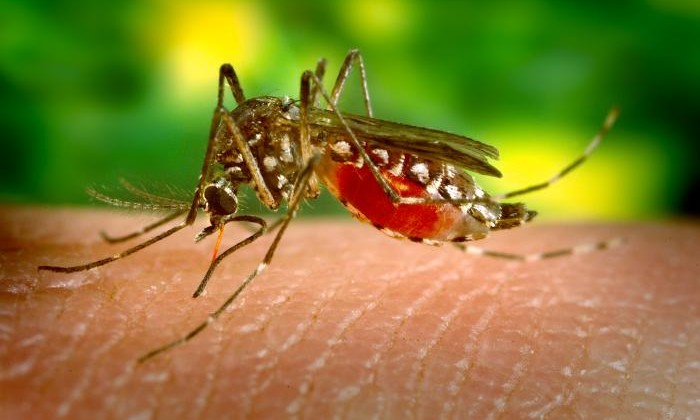
Mosquitos can carry West Nile Virus. (Photo: James Gathany/Center for Disease Control and Prevention)
As such, physicians are urging people to take precautions as they hit the outdoors this summer, and know what to do if you have the misfortune of being bitten or stung.
“The old saying ‘an ounce of prevention is worth a pound of cure’ really holds true when it comes to bites and stings,” says Dr. Karen Rizzo, president of the Pennsylvania Medical Society. “Simple things like checking yourself for bugs and wearing bug spray can make a difference in the long run.”
Mosquitos transmit diseases
Mosquitos essentially use their mouthparts to puncture human skin and feast on blood. Most mosquito bites do little harm, possibly leaving the puncture area swelling, sore and red. However, if the mosquito is carrying a virus or parasite, then the victim could experience severe illness.
“Mosquitos, particularly those in tropical environments, have been linked to some nasty illnesses including yellow fever and malaria,” says Dr. G. Alan Yeasted, president of the Pennsylvania Chapter of the American College of Physicians. In the U.S., “We don’t see a lot of those diseases. Instead, we more often will associate mosquitos with West Nile Virus.”
West Nile virus first appeared in birds and mosquitos in 2000. Typically, West Nile is a mild disease that mimics the flu and lasts only a few days. However, some cases – about one in 150 – can be severe, causing encephalitis, convulsions, paralysis or death.
One of the keys in the fight against West Nile Virus is to make it difficult for mosquitos to breed. Property owners play an important role. Mosquitos tend to enjoy stagnant water. Eliminating stagnant water from locations like wading pools, clogged gutters and other locations helps.
But, it can be tough to totally avoid mosquitos. The following precautions can help:
- Take normal steps to prevent insect bites;
- Wear appropriate clothing when outdoors;
- Use mosquito repellent.
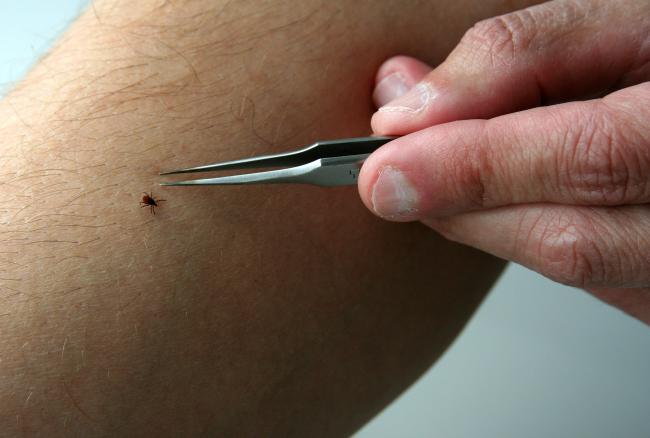
Check for ticks after being in the woods or high grass on yourself and pets. (Photo: Lorna Benson)
Tick threat
Of all insects, possibly ticks raise the greatest amount of concern, particularly in light of an April study by the Pennsylvania Department of Environmental Protection (DEP). The study raised eyebrows when it indicated Lyme Disease is now a risk in all 67 counties in the state. Before the study and according to statistics from the Centers for Disease Control and Prevention (CDC), it was well known that Pennsylvania had the highest number of confirmed Lyme Disease cases in recent years of all states. CDC data suggests there were nearly 5,000 confirmed cases of Lyme Disease in the state during 2013.
Precautions you can take against ticks include:
- Avoid tick infested areas;
- Wear protective clothing;
- Use insect repellent;
- Do a full body check after spending time outdoors.
If you develop early symptoms of Lyme disease, you should see medical attention. Early diagnosis and treatment of Lyme disease may prevent late-stage complications. Early symptoms within the first 30 days of a tick bite could include:
- A red and expanding rash;
- Fatigue;
- Chills;
- Fever;
- Headache;
- Muscle and joint aches;
- Swollen lymph nodes.
“This is something you want to catch early,” said Dr. Paul Killian, president of the Pennsylvania Rheumatology Society. “A large percentage of patients who go untreated tend to face bouts of arthritis including severe joint pain and swelling. A small percentage may even develop chronic neurological issues such as shooting pain, numbness, or tingling in the hands or feet.”

A bee sting could cause a life-threatening allergic reaction. (Photo: Bee Stick Removal Los Angeles)
Bee stings can cause an allergic reaction
Like ticks and mosquitos, bees as well as wasps and hornets have the ability to cause little or a lot of harm. While many people will have a mild reaction to a bee sting, some may end up with an allergic reaction that could be life threatening.
According to Dr. Todd D. Green, president of the Pennsylvania Allergy & Asthma Association, a severe allergic reaction could cause low blood pressure or swelling that could impact breathing. “It’s very important for a person having a severe allergic reaction to a bee sting to seek immediate medical care. Even moderate reactions can be problematic.”
Treatment for a bad reaction may include antihistamines, epinephrine or in the worst of cases a breathing tube. Typically, people with known allergies to insect venom and food will carry an EpiPen to treat anaphylaxis shock.
According to the U.S. Department of Labor Bureau of Labor Statistics, between 2003 and 2010, of all insect bites, bees caused the most fatal injuries to workers.
Article by the Pennsylvania Health News Service Project, a group of 20 Pennsylvania-based medical and specialty associations and societies.