
Midnight Snacks Could Cause Breast Cancer
A decrease in the amount of time spent eating and an increase in overnight fasting reduces glucose levels and may reduce the risk of breast cancer among women, report University of California, San Diego School of Medicine researchers in the journal Cancer Epidemiology, Biomarkers & Prevention.
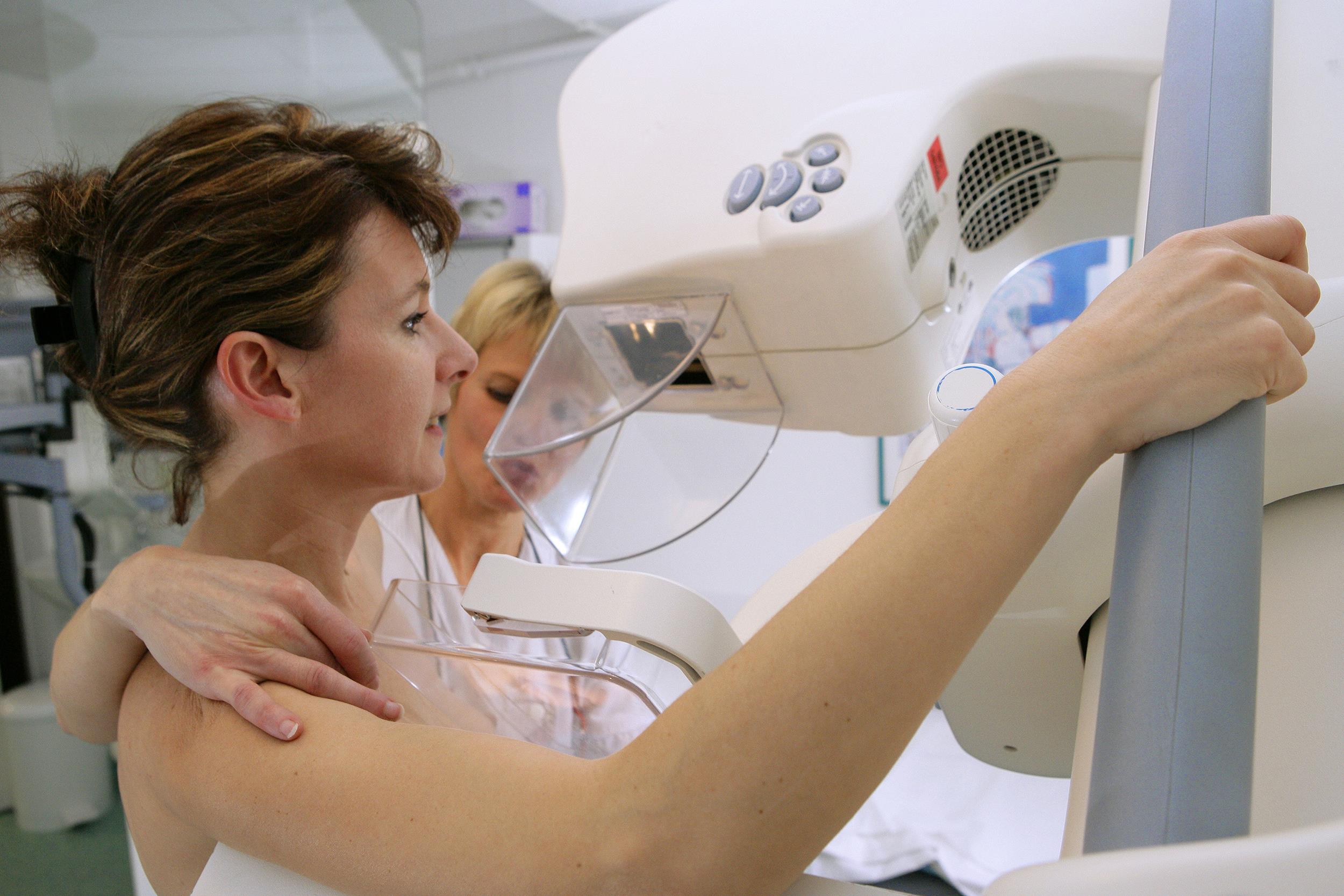
A study found that fasting longer overnight decreases the risk of developing breast cancer. (Photo: Jean-Paul Chassenet/Getty Images)
The findings were presented at the American Association of Cancer Research’s annual meeting in Philadelphia.
“Increasing the duration of overnight fasting could be a novel strategy to reduce the risk of developing breast cancer,” said Catherine Marinac, UC San Diego doctoral candidate and paper co-author. “This is a simple dietary change that we believe most women can understand and adopt. It may have a big impact on public health without requiring complicated counting of calories or nutrients.”
Women who fasted for longer periods of time overnight had significantly better control over blood glucose concentrations. The data shows that each three hour increase in nighttime fasting was associated with a 4 percent lower postprandial glucose level, regardless of how much women ate.
“The dietary advice for cancer prevention usually focuses on limiting consumption of red meat, alcohol and refined grains while increasing plant-based foods,” said co-author Ruth Patterson, UC San Diego Moores Cancer Center associate director for population sciences and head of the cancer prevention program. “New evidence suggests that when and how often people eat can also play a role in cancer risk.”
Women in the study reported eating five times per day with a mean nighttime fasting of 12 hours. Those who reported longer fast durations also indicated they consumed fewer calories per day, ate fewer calories after 10 p.m. and had fewer eating episodes.
Article by the University of California, San Diego Health Sciences